Introduction
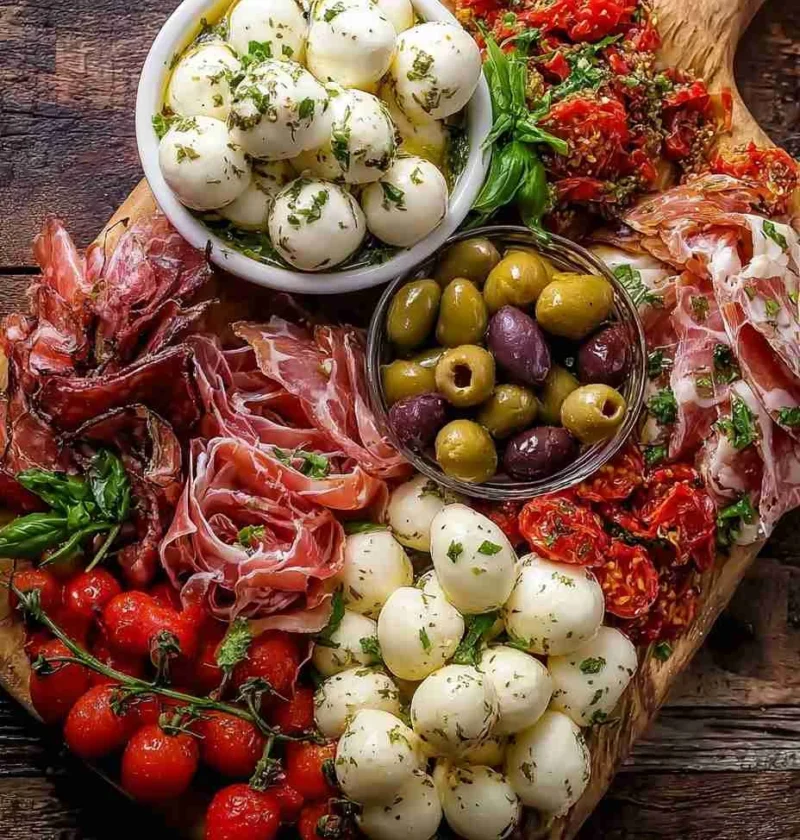
Imagine hosting a gathering of friends or family and impressing them with a delightful spread of Mediterranean flavors. An antipasto platter is not only a crowd-pleaser but also a versatile and visually appealing appetizer for any party. In this guide, we will explore how to make an antipasto platter for a party, featuring the best Mediterranean appetizers for get-togethers.
Originating from Italy, antipasto traditionally refers to the first course of a formal Italian meal. Today, it has evolved into a popular dish served as a starter or appetizer. The beauty of an antipasto platter lies in its customizable nature, allowing you to showcase a variety of flavors, textures, and colors on a single serving board.
Whether you are a seasoned host looking for new ideas or a beginner in the kitchen, creating an antipasto platter is a fun and creative way to elevate your party spread. Let’s dive into the world of easy antipasto tray ideas for gatherings and discover how this Mediterranean classic can become the star of your next event.
With a focus on fresh ingredients, bold flavors, and a touch of creativity, crafting a DIY Mediterranean antipasto platter is not only a culinary adventure but also a feast for the eyes. Let’s explore different elements, from the antipasto platter ingredients list to elegant designs, and learn how to curate a memorable dining experience for your guests.
Why You’ll Love This Recipe
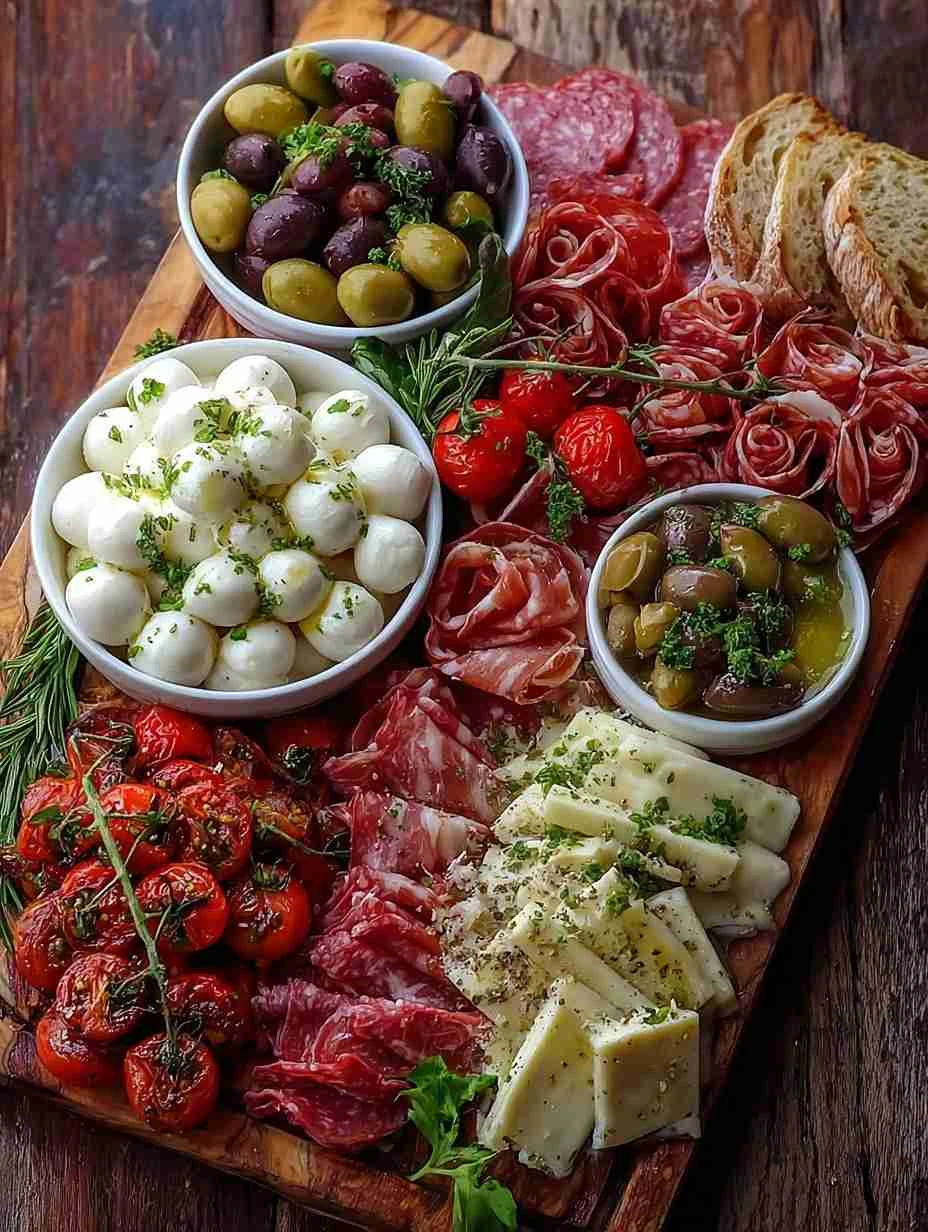
Creating an antipasto platter offers a multitude of benefits that make it an ideal choice for parties and gatherings. The best mediterranean appetizers for get-togethers are not only delicious but also easy to prepare and customize according to your preferences and dietary needs.
One of the key highlights of an antipasto platter is its versatility. You can cater to various dietary preferences by including vegetarian antipasto platter recipes, gluten-free antipasto platter ideas, and low-carb Mediterranean appetizers for parties. This flexibility ensures that all your guests can enjoy the spread without compromising on taste or variety.
Moreover, assembling an antipasto platter allows you to experiment with different combinations of flavors and textures. From savory cheeses and cured meats to tangy olives and sweet fruits, the possibilities are endless. This DIY Mediterranean antipasto platter encourages creativity in the kitchen and lets you showcase your unique culinary style.
Additionally, by following our quick and easy antipasto platter ideas, you can save time on preparation and focus on entertaining your guests. The simplicity of putting together a stunning antipasto platter makes it a stress-free option for both intimate gatherings and large parties, providing a touch of elegance to any event.
Ingredients
When it comes to crafting the perfect antipasto platter, selecting high-quality ingredients is key to achieving a harmonious balance of flavors and textures. Here is a basic antipasto platter ingredients list to guide you in creating your Mediterranean masterpiece:
– Assorted cheeses (such as mozzarella, provolone, and aged parmesan)
– Cured meats (like prosciutto, salami, and soppressata)
– Marinated olives and artichokes
– Roasted vegetables (such as bell peppers and cherry tomatoes)
– Fresh fruits (grapes, figs, or citrus slices)
– Nuts and seeds for crunch (walnuts, almonds, or pumpkin seeds)
– Dips and spreads (hummus, tzatziki, or pesto)
Feel free to customize your antipasto platter with additional ingredients that appeal to your taste preferences. For vegetarian options, include grilled vegetables, stuffed grape leaves, or marinated tofu. Those looking for gluten-free or low-carb alternatives can opt for gluten-free crackers, vegetable chips, or keto-friendly snacks.
Step-by-Step Instructions
Now that you have gathered your antipasto platter ingredients, it’s time to assemble them into a stunning display of Mediterranean flavors. Follow these simple steps to create a visually appealing and delicious antipasto platter for your next party:
1. Start by selecting a large serving platter or wooden board to arrange your ingredients.
2. Place small bowls or ramekins on the platter to hold dips and spreads, creating focal points for your display.
3. Arrange the cheeses and cured meats in alternating layers, folding the meats for an elegant look.
4. Fill the empty spaces with marinated olives, roasted vegetables, and fresh fruits to add pops of color.
5. Sprinkle nuts and seeds around the platter for texture and additional crunch.
6. Garnish the platter with fresh herbs, edible flowers, or drizzles of balsamic glaze for a finishing touch.
7. Serve your antipasto platter with an assortment of crackers, breadsticks, and sliced baguette for guests to enjoy with the flavorful spreads and toppings.
Expert Tips for Success
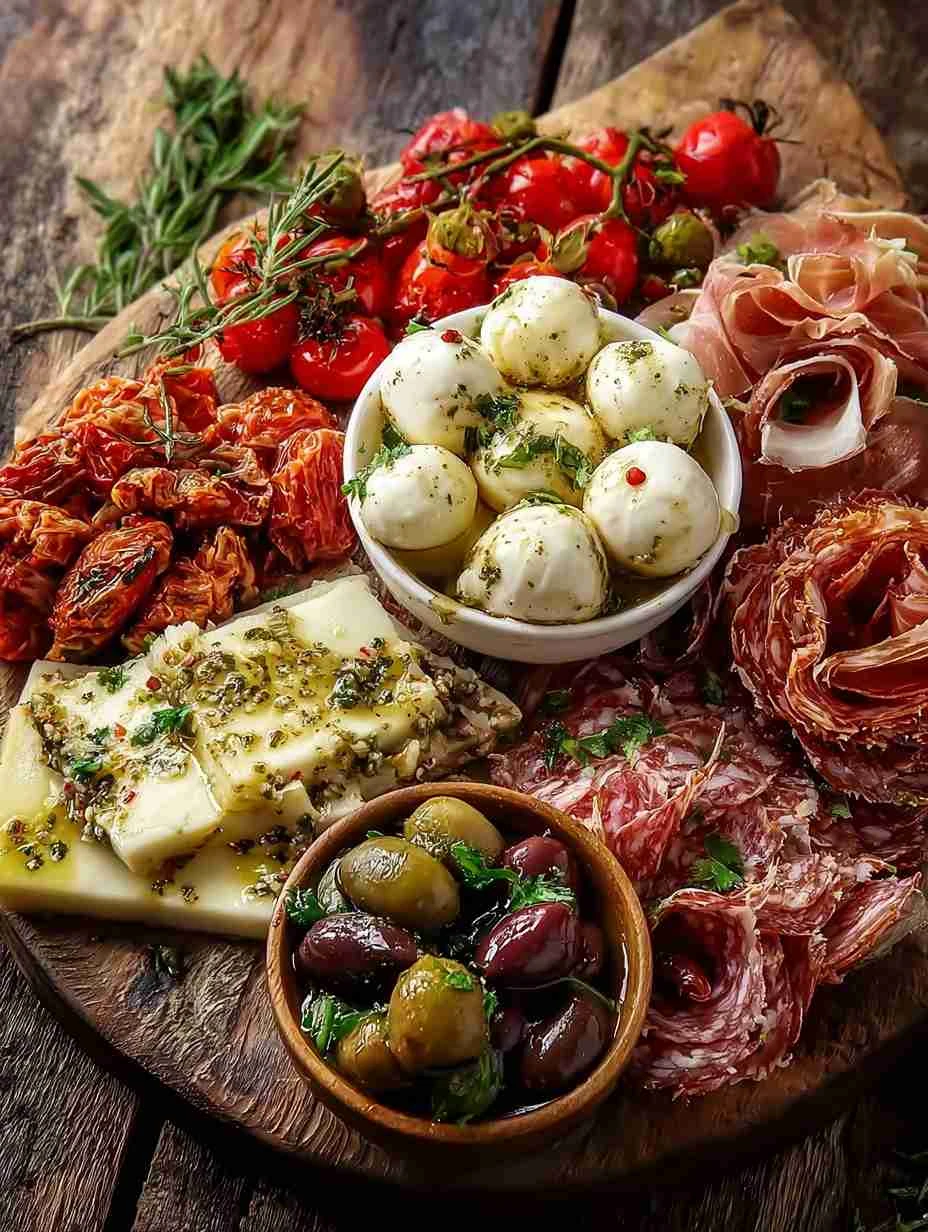
To ensure that your antipasto platter shines at your party, consider the following expert tips for a successful presentation:
– Choose a variety of flavors, colors, and textures to create a visually appealing and dynamic display.
– Allow your cheeses and meats to come to room temperature before serving to enhance their flavors.
– Use different shapes and sizes of ingredients to add visual interest and make the platter more inviting.
– Balance salty items like cheeses and cured meats with sweet elements like fruits or honey for a harmonious taste experience.
– Refresh your platter throughout the event by replenishing ingredients and adjusting the arrangement to maintain an attractive display.
Variations and Substitutions
While the classic antipasto platter is a beloved choice for many, there are endless possibilities for customization and personalization. Consider these variations and substitutions to tailor your antipasto platter to suit your preferences:
– Seafood Antipasto Platter: Include smoked salmon, shrimp cocktail, and marinated anchovies for a seafood twist.
– Cheese and Meat Antipasto Tray: Focus on an array of gourmet cheeses and charcuterie for a rich and indulgent experience.
– Elegant Antipasto Platter Designs: Arrange your ingredients in intricate patterns or geometric shapes for a visually stunning presentation.
– Customized Antipasto Platter Options: Cater to specific dietary needs by offering vegan cheese alternatives, plant-based meats, and gluten-free accompaniments.
Serving Suggestions
When serving your antipasto platter, consider the following suggestions to enhance the dining experience for your guests:
– Pair the platter with a selection of Mediterranean wines such as Chianti, Prosecco, or Sauvignon Blanc to complement the flavors of the ingredients.
– Offer a variety of bread options, including crusty baguettes, focaccia, or gluten-free crackers, to accompany the cheeses and dips.
– Serve the antipasto platter as a standalone appetizer or as part of a larger spread that includes salads, grilled vegetables, and main dishes for a complete meal experience.
– Encourage guests to sample different combinations of ingredients and experiment with creating their own flavor pairings for a personalized tasting journey.
FAQs
Q: Can I prepare my antipasto platter in advance?
A: Yes, you can prepare certain elements of your antipasto platter ahead of time, such as marinating vegetables, slicing cheeses, and arranging serving dishes. However, it is best to assemble the platter closer to serving time to ensure freshness and optimal presentation.
Q: How long can I leave out an antipasto platter at a party?
A: It is recommended to keep your antipasto platter out for no more than two hours at room temperature. If the platter is left out for an extended period, especially in warm weather, bacteria can multiply rapidly, compromising food safety.
Q: Can I refrigerate leftover antipasto for later consumption?
A: While it’s best to enjoy your antipasto platter fresh, you can refrigerate any leftovers in airtight containers. Keep in mind that some ingredients may not retain their optimal texture after refrigeration, so consume them within a day or two for the best taste.
Q: How do I choose the best wines to pair with my antipasto platter?
A: Consider the flavor profiles of your antipasto ingredients when selecting wines. Light-bodied white wines like Pinot Grigio or Vermentino pair well with fresh cheeses and seafood, while medium-bodied red wines like Chianti or Merlot complement cured meats and olives.
Final Thoughts
As you embark on your culinary journey to create a show-stopping antipasto platter for your next party, remember that the key ingredients are creativity, quality, and a dash of Mediterranean charm. By following our guide on how to make an antipasto platter for a party, you can impress your guests with the best Mediterranean appetizers and easy antipasto tray ideas, all while enjoying the process of curating a delightful culinary experience.
Whether you opt for a simple and rustic arrangement or an elaborate and artful design, your DIY Mediterranean antipasto platter is sure to be a memorable addition to your entertaining repertoire. So gather your favorite ingredients, unleash your inner chef, and savor the joy of sharing good food and good company with those you care about.
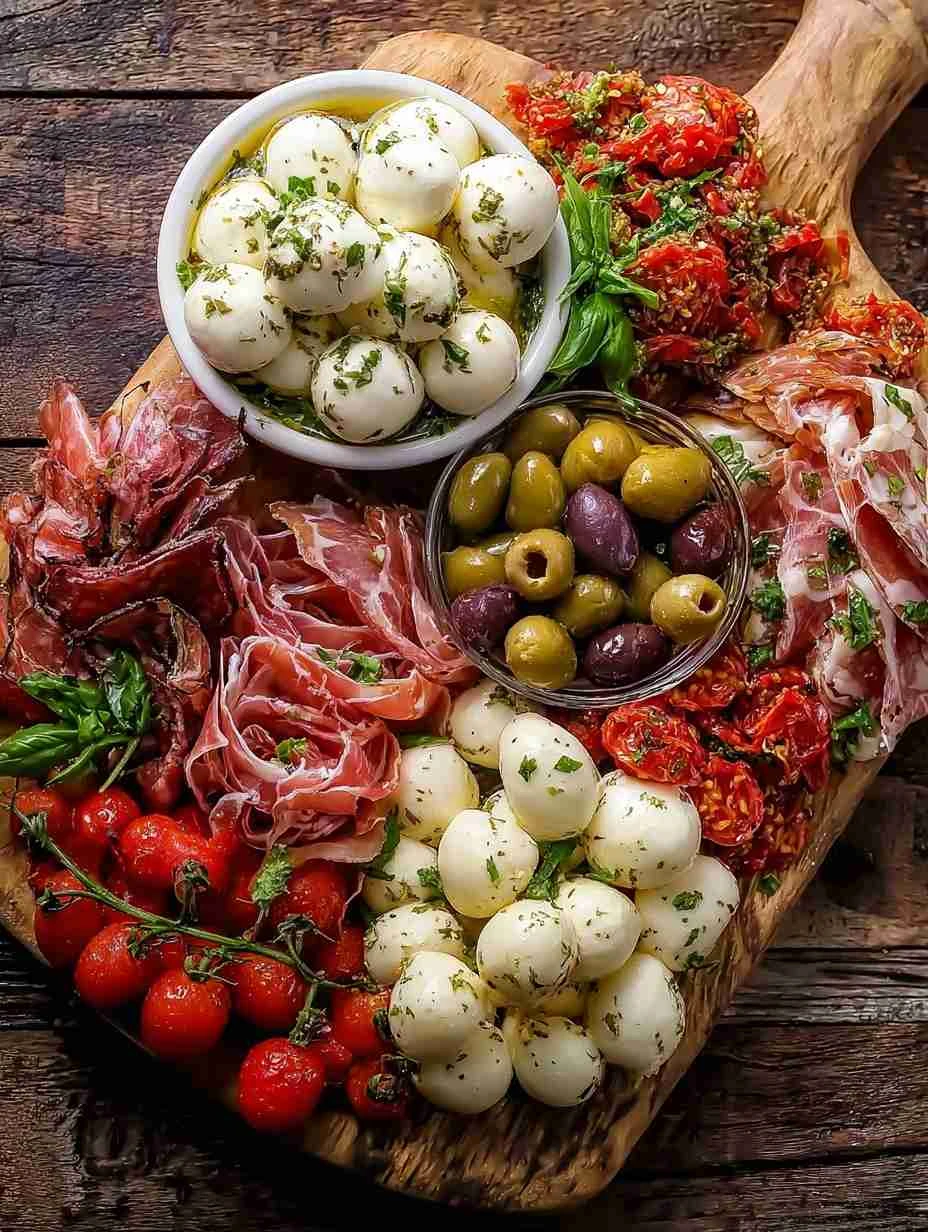
Antipasto Platter: Easy Mediterranean Appetizer for Parties
Impress your guests with a delightful spread of Mediterranean flavors through a visually appealing and customizable antipasto platter featuring assorted cheeses, cured meats, marinated olives and artichokes, roasted vegetables, fresh fruits, nuts, seeds, and dips.
Ingredients
- Assorted cheeses (mozzarella, provolone, aged parmesan)
- Cured meats (prosciutto, salami, soppressata)
- Marinated olives and artichokes
- Roasted vegetables (bell peppers, cherry tomatoes)
- Fresh fruits (grapes, figs, citrus slices)
- Nuts and seeds (walnuts, almonds, pumpkin seeds)
- Dips and spreads (hummus, tzatziki, pesto)
Directions
-
Start by selecting a large serving platter or wooden board to arrange your ingredients.
-
Place small bowls or ramekins on the platter to hold dips and spreads.
-
Arrange the cheeses and cured meats in alternating layers, folding the meats for an elegant look.
-
Fill empty spaces with marinated olives, roasted vegetables, and fresh fruits.
-
Sprinkle nuts and seeds around the platter for texture and crunch.
-
Garnish with fresh herbs, edible flowers, or drizzles of balsamic glaze.
-
Serve with an assortment of crackers, breadsticks, and sliced baguette.