
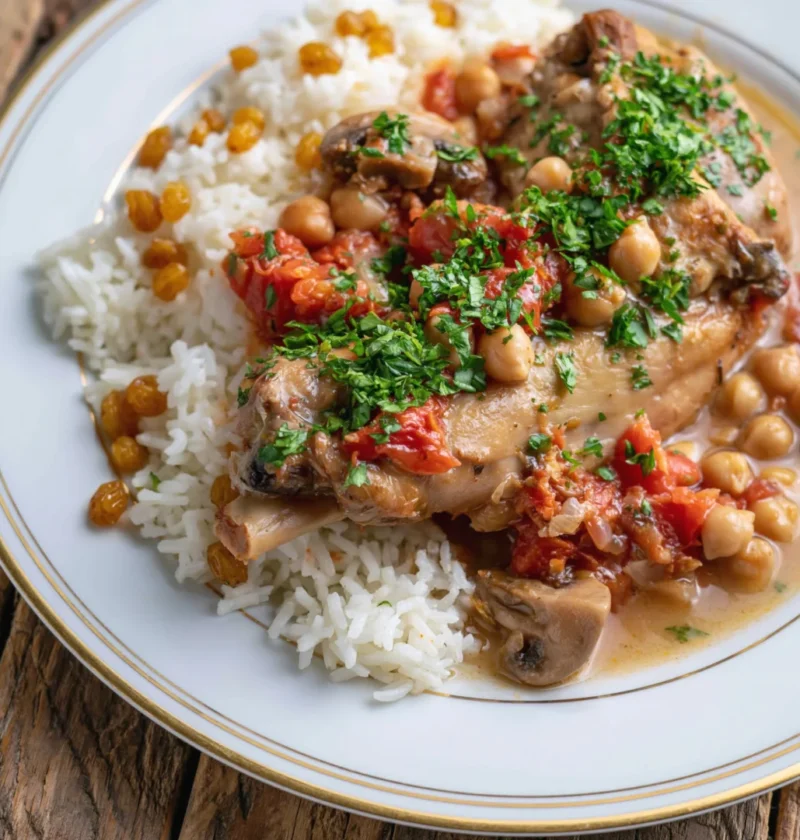
Rabbit curry is a dish that boasts a rich history and vibrant flavors, often enjoyed in various cultures around the world. This delicious recipe combines tender rabbit meat with aromatic spices, creating a hearty and comforting meal that is perfect for special occasions or family dinners. Rabbit, often considered an exotic meat, is known for its lean texture and mild flavor, making it an ideal protein for absorbing the robust spices characteristic of Indian curry recipes. The use of coconut milk adds creaminess and balances the spices, resulting in a dish that is both savory and satisfying. This dish not only showcases the culinary versatility of rabbit meat but also highlights how ancient techniques and modern flavors can come together in perfect harmony. Additionally, rabbit meat is low in fat and high in protein, making it a healthy choice for those looking to indulge without the guilt. As you prepare this dish, you will appreciate how it reflects the local ingredients and traditional cooking methods of the regions where it is enjoyed, making it a culinary journey on a plate.
Ingredients
- For the Rabbit Curry:
- 2 pounds rabbit meat, cut into pieces (for best results, choose pieces with bones for added flavor; you can also ask your butcher for recommendations on the best cuts)
- 2 tablespoons vegetable oil (can also use ghee for a richer taste; consider using cold-pressed oils for a more natural flavor)
- 1 large onion, finely chopped (preferably yellow onions for sweetness; they caramelize well and enhance the dish’s depth)
- 4 cloves garlic, minced (fresh garlic enhances the flavor significantly; using a garlic press can expedite this process)
- 1-inch piece ginger, grated (fresh ginger is recommended for its pungency; you can also use a microplane for a finer texture)
- 2 tomatoes, pureed (use ripe tomatoes for a sweeter flavor; if tomatoes are out of season, canned tomatoes can be a good substitute)
- 1 teaspoon turmeric powder (for color and health benefits; it’s known for its anti-inflammatory properties as well)
- 1 tablespoon coriander powder (adds a warm, nutty flavor; to intensify its flavor, consider toasting it lightly before adding)
- 1 tablespoon garam masala (a blend of spices that gives depth to the curry; for a homemade touch, you can create your blend of spices)
- 1 teaspoon cumin seeds (toasting them lightly enhances their aroma; be careful not to burn them for the best flavor)
- 2-3 green chilies, slit (adjust to taste for heat; use jalapeños for a milder option or even omit them entirely for a non-spicy version)
- 1 cup coconut milk (full-fat coconut milk creates a creamy texture; light coconut milk can be substituted for a lower-fat option)
- Salt, to taste (use sea salt for a more complex flavor; consider Himalayan pink salt for an interesting twist)
- Fresh cilantro, for garnishing (adds freshness and color; you can also use mint for a different flavor profile)
Steps / Instructions
- In a large pot, heat the vegetable oil over medium heat. Add the cumin seeds and let them sizzle for a few seconds until fragrant, which should take about 30 seconds. This step releases the essential oils and flavors from the seeds, enhancing the dish’s overall taste. You should hear a gentle crackling sound, which indicates they are ready.
- Add the finely chopped onions and sauté until they become translucent, about 5-7 minutes. Stir frequently to prevent them from browning too much, as you want a soft and sweet base for your rabbit curry. The onions should turn a light golden color, indicating they’re cooked appropriately.
- Stir in the minced garlic and grated ginger, cooking for an additional 2 minutes until aromatic. The combination of garlic and ginger will create a wonderful aroma that sets the stage for the curry. Be attentive, as this mixture can burn quickly if left unattended.
- Mix in the pureed tomatoes, turmeric powder, coriander powder, and slit green chilies. Cook this mixture for about 10 minutes, stirring occasionally until the oil separates from the spices. This indicates that the spices are well-cooked and their flavors are fully developed, resulting in a rich and fragrant sauce.
- Add the rabbit pieces to the pot, stirring well to coat them with the spice mixture. Sauté for about 5 minutes until the rabbit is slightly browned on all sides. This browning process helps to lock in the moisture and flavor of the meat, creating a more succulent dish.
- Pour in the coconut milk, followed by salt to taste. Bring the mixture to a gentle simmer, allowing the flavors to meld together beautifully. As it simmers, the curry will thicken slightly, and the rich aroma will fill your kitchen.
- Cover the pot and let it cook on low heat for about 1 hour, or until the rabbit is tender and cooked through. You can also use a slow cooker for this step; simply transfer the mixture and cook on low for 6-8 hours for an even deeper flavor profile. The longer cooking time will allow the meat to become exceptionally tender.
- Once cooked, sprinkle garam masala over the curry and stir gently. Adjust seasoning if necessary, tasting to ensure the balance of flavors is just right. The garam masala should elevate the dish, adding complexity and warmth.
- Remove from heat and let it sit for a few minutes before serving. This resting period allows the flavors to settle and the dish to thicken slightly. Garnish with fresh cilantro before plating, ensuring each serving looks vibrant and inviting.
Tips & Tricks
- For the best flavor, use high-quality organic rabbit meat, which enhances the dish’s overall taste. Sourcing local and fresh meat can make a noticeable difference, and some specialty butcher shops may offer unique varieties.
- If you prefer a thicker curry, let it simmer uncovered for the last 15 minutes of cooking. This will help reduce the liquid and concentrate the flavors, resulting in a richer sauce. Keep an eye on it to avoid it sticking to the pot.
- Leftover rabbit curry can be stored in an airtight container in the refrigerator for up to 3 days or frozen for up to 3 months. Reheat gently on the stove, adding a splash of water or coconut milk if it has thickened too much, ensuring it remains creamy.
- Consider making this dish a day in advance; the flavors deepen and improve overnight, making it even more delicious when reheated. The spices will meld together, resulting in a more harmonious flavor.
- Common mistakes to avoid include overcooking the rabbit, which can lead to a tough texture. Aim for tender but not overdone; it should be juicy and flavorful, falling off the bone without being dry.
Conclusion
This rabbit curry is not just a meal; it’s an experience that brings together the warmth of traditional cooking and the adventurous spirit of trying something new. With its enticing aroma and layers of flavor, it’s sure to impress at your next dinner gathering or family meal. Enjoy the journey through the world of rabbit meat recipes, and don’t hesitate to share your love for this dish with others! You can learn more about this topic.
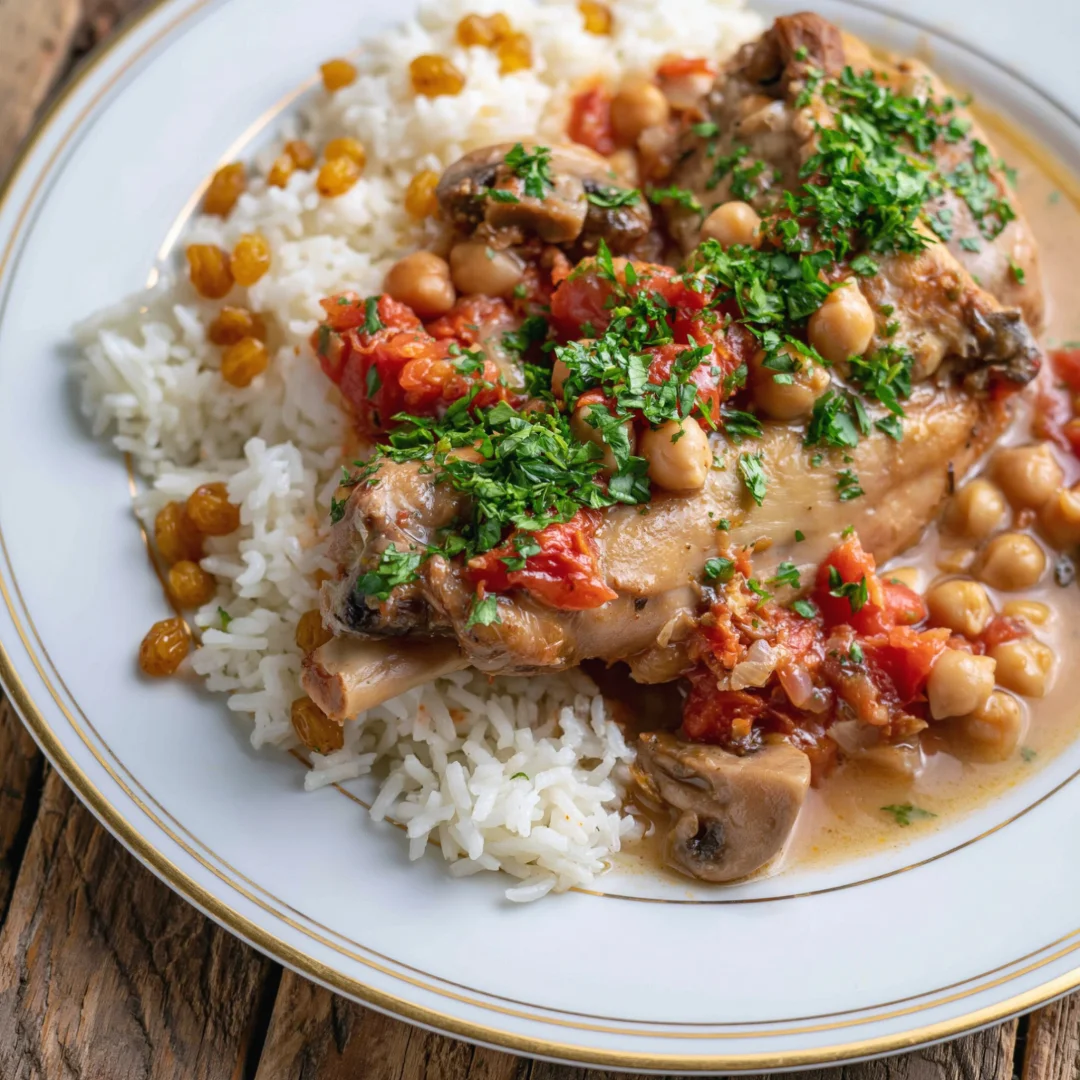
Rabbit Curry
Rabbit curry is a dish that boasts a rich history and vibrant flavors, often enjoyed in various cultures around the world. This delicious recipe combines tender rabbit meat with aromatic spices, creating a hearty and comforting meal that is perfect for special occasions or family dinners.
Ingredients
- 2 pounds rabbit meat, cut into pieces
- 2 tablespoons vegetable oil
- 1 large onion, finely chopped
- 4 cloves garlic, minced
- 1-inch piece ginger, grated
- 2 tomatoes, pureed
- 1 teaspoon turmeric powder
- 1 tablespoon coriander powder
- 1 tablespoon garam masala
- 1 teaspoon cumin seeds
- 2-3 green chilies, slit
- 1 cup coconut milk
- Salt, to taste
- Fresh cilantro, for garnishing
Directions
In a large pot, heat the vegetable oil over medium heat. Add the cumin seeds and let them sizzle for a few seconds until fragrant.
Add the finely chopped onions and sauté until they become translucent, about 5-7 minutes.
Stir in the minced garlic and grated ginger, cooking for an additional 2 minutes until aromatic.
Mix in the pureed tomatoes, turmeric powder, coriander powder, and slit green chilies. Cook this mixture for about 10 minutes.
Add the rabbit pieces to the pot, stirring well to coat them with the spice mixture. Sauté for about 5 minutes until the rabbit is slightly browned on all sides.
Pour in the coconut milk, followed by salt to taste. Bring the mixture to a gentle simmer.
Cover the pot and let it cook on low heat for about 1 hour, or until the rabbit is tender and cooked through.
Once cooked, sprinkle garam masala over the curry and stir gently. Adjust seasoning if necessary.
Remove from heat and let it sit for a few minutes before serving. Garnish with fresh cilantro before plating.
Nutrition Facts
Recipe Reviews
- ★★★★★
Excellent recipe!
Leave a Reply
Your email address will not be published. Required fields are marked *








Excellent recipe!