
Table of Contents
Perfecting Oven Spring in Sourdough Baking Now
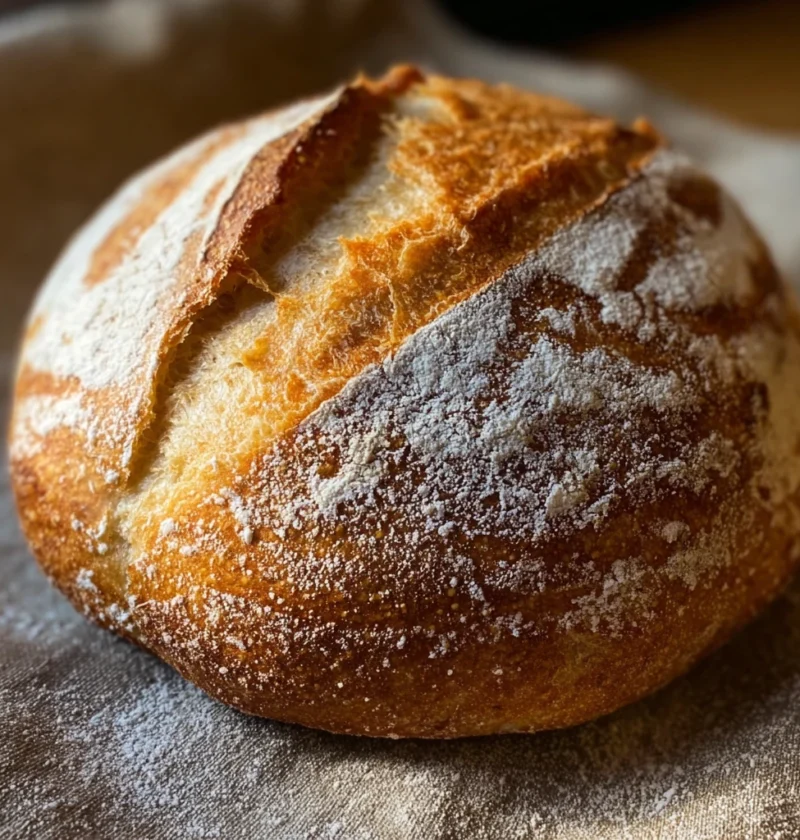
Sourdough baking is an art that combines patience, science, and a touch of magic. The process of creating a perfect loaf of sourdough bread involves various stages, each crucial for achieving that coveted airy crumb and crispy crust. One of the most satisfying moments in sourdough baking is witnessing the oven spring—the dramatic rise of the bread as it bakes to perfection. In this article, we will delve into the joy of perfecting oven spring in sourdough baking, exploring the factors that influence this crucial stage and sharing expert tips to help you master it.
Why Oven Spring Matters
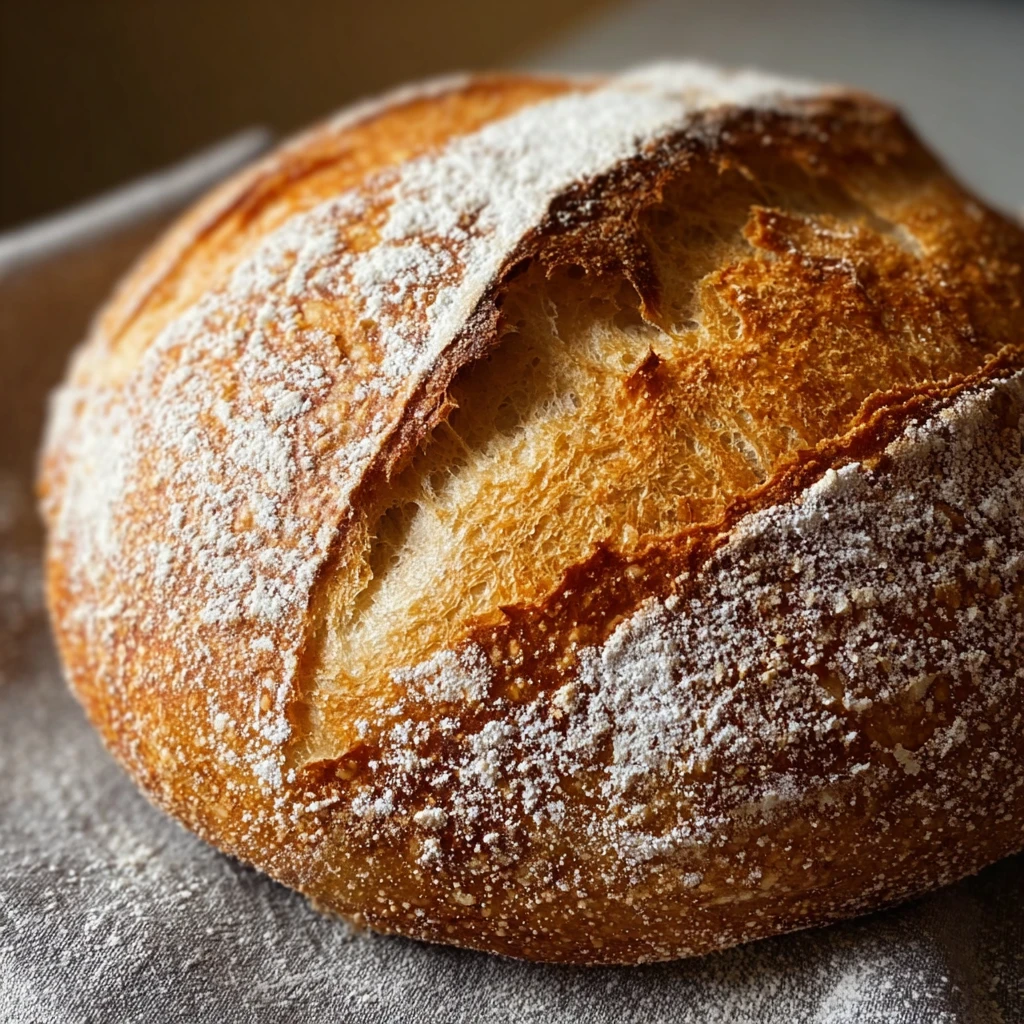
Oven spring is not just a visual delight; it also indicates that your sourdough bread has achieved the desired fermentation and gluten development. A good oven spring results in a light and airy crumb structure, creating that signature open texture sourdough enthusiasts crave. Understanding how to optimize oven spring will elevate your baking skills and ensure consistently delicious loaves.
During oven spring, the yeast in the dough produces carbon dioxide gas, causing the bread to expand rapidly in the heat of the oven. The gluten network formed during fermentation traps these gases, allowing the bread to rise and develop its characteristic structure. Factors such as dough hydration, fermentation time, and oven temperature play a crucial role in determining the extent of oven spring.
To achieve a perfect oven spring, you need to create the ideal environment for yeast activity and gluten development. By mastering the key techniques and making precise adjustments to your sourdough recipe, you can enhance oven spring and take your bread baking to the next level.
Factors Influencing Oven Spring
Several factors influence the quality and extent of oven spring in sourdough bread. Understanding these variables and how they interact is essential for achieving consistent results with every bake.
One critical factor is dough hydration, which refers to the ratio of water to flour in your dough. A higher hydration level can lead to a more open crumb structure but requires careful handling to maintain shape during proofing and baking. Proper fermentation, including bulk fermentation and proofing, is another key factor that impacts oven spring. Allowing the dough to ferment for the right amount of time develops flavor and strength, contributing to a better rise in the oven.
Additionally, shaping plays a crucial role in creating tension on the dough’s surface, which helps the bread retain its shape and rise effectively during baking. The scoring of the dough before baking also influences oven spring by controlling where the bread expands in the oven. Lastly, oven temperature and steam levels are vital factors that impact the initial rise and crust development of the bread.
Expert Tips for Perfecting Oven Spring
To enhance the oven spring in your sourdough bread, consider implementing the following expert tips:
1. Maintain a consistent dough hydration level throughout the baking process to achieve a balanced rise and crumb structure.
2. Monitor the fermentation stages closely and adjust timings based on ambient temperature and dough activity to maximize gluten development.
3. Practice proper shaping techniques to create tension on the dough surface, promoting a strong rise during baking.
4. Experiment with different scoring patterns to control the direction of oven spring and create decorative designs on your loaves.
5. Preheat your oven adequately and introduce steam during the initial baking phase to create a humid environment that promotes oven spring and crust formation.
Variations and Substitutions
High Hydration 80%+ water voluptuous open crumb
Seeds Soak overnight prevents stealing dough moisture
Whole Wheat 20% max maintains structure
Cold Proof 24–48 hours maximum flavor
Combo Cooker Lava rocks + steam pan alternative
Serving Suggestions
Allow 2–4 hour crust soften for best eating
Slice reveals perfect open crumb structure
Pair soft cheeses against crisp crust
Room temp serving maximum flavor
Artisan bread boards impress guests
FAQs
Q: Flat oven spring?
A: Overproofed—shorter bulk/cold retard
Q: Dense crumb?
A: Weak starter—feed earlier, use peak
Q: Blowouts?
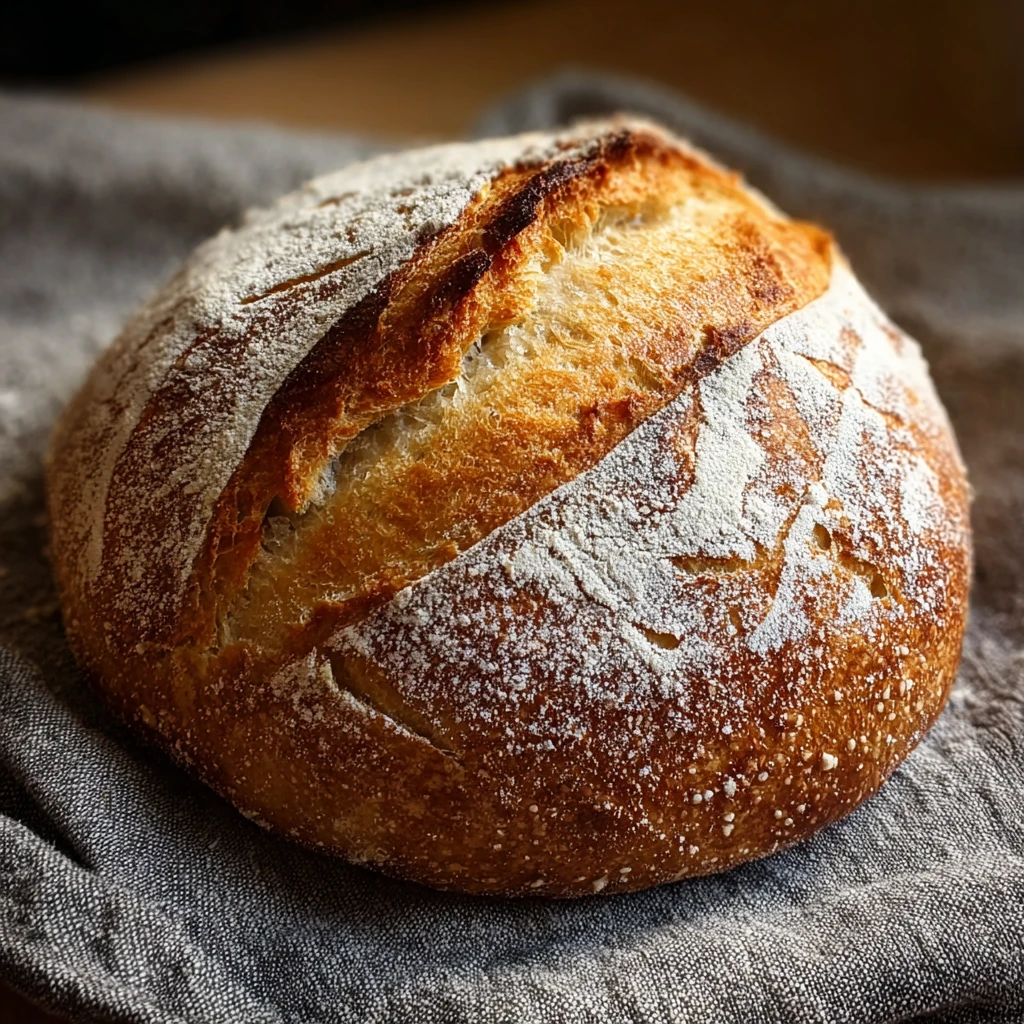
A: Insufficient scoring—deeper 45° cuts
Q: Pale crust?
A: Insufficient steam—ice cubes/longer lid
Q: Gummy bottom?
A: Too cool oven—preheat stone 1+ hour
Final Thoughts
Perfect oven spring proves sourdough artistry—dough exploding upward reveals fermentation mastery worth every starter feeding and patient wait.
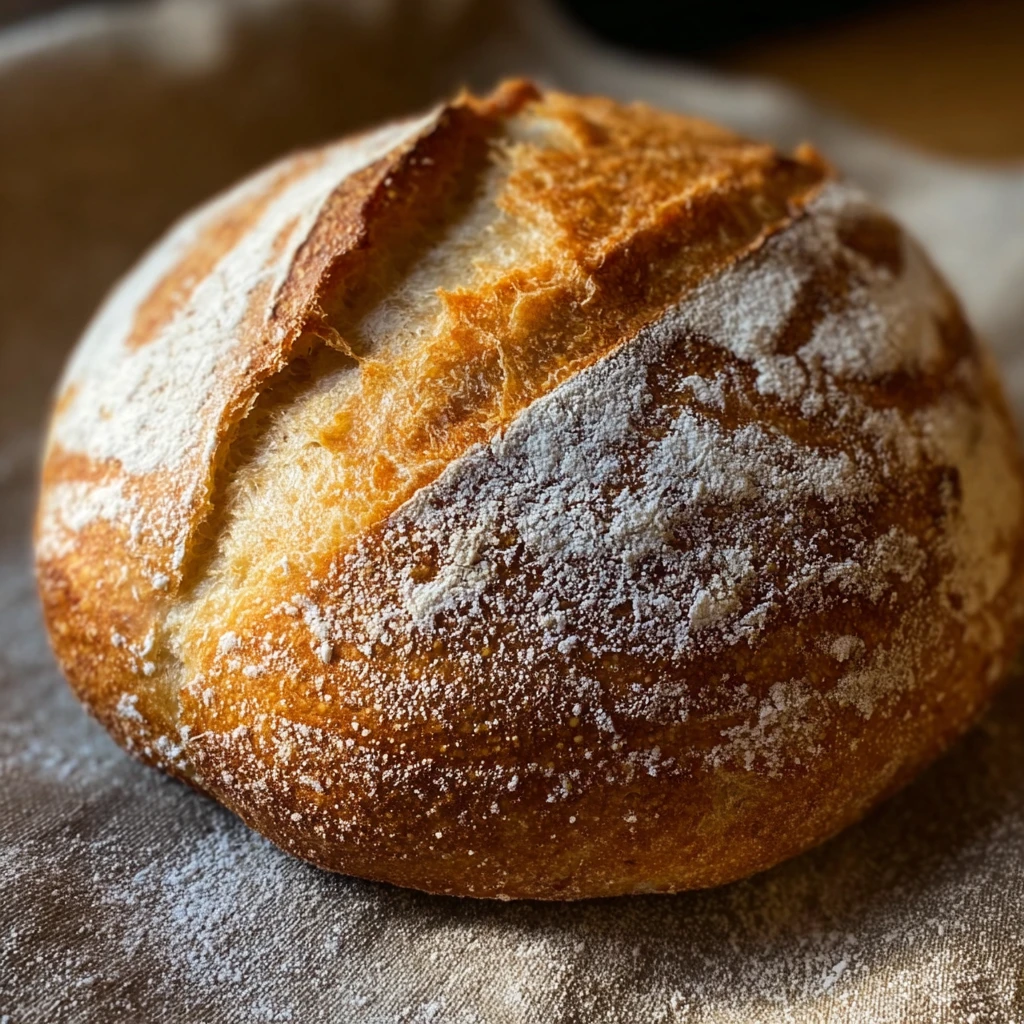
The Joy of Perfecting Oven Spring in Sourdough Baking Now!
Learn the art of perfecting oven spring in sourdough bread baking, a process that involves achieving a light and airy crumb structure with a crispy crust. Explore key factors influencing oven spring and expert tips to elevate your baking skills.
Ingredients
- Flour
- Water
- Yeast
- Salt
Directions
-
Maintain a consistent dough hydration level throughout the baking process to achieve a balanced rise and crumb structure.
-
Monitor the fermentation stages closely and adjust timings based on ambient temperature and dough activity to maximize gluten development.
-
Practice proper shaping techniques to create tension on the dough surface, promoting a strong rise during baking.
-
Experiment with different scoring patterns to control the direction of oven spring and create decorative designs on your loaves.
-
Preheat your oven adequately and introduce steam during the initial baking phase to create a humid environment that promotes oven spring and crust formation.