
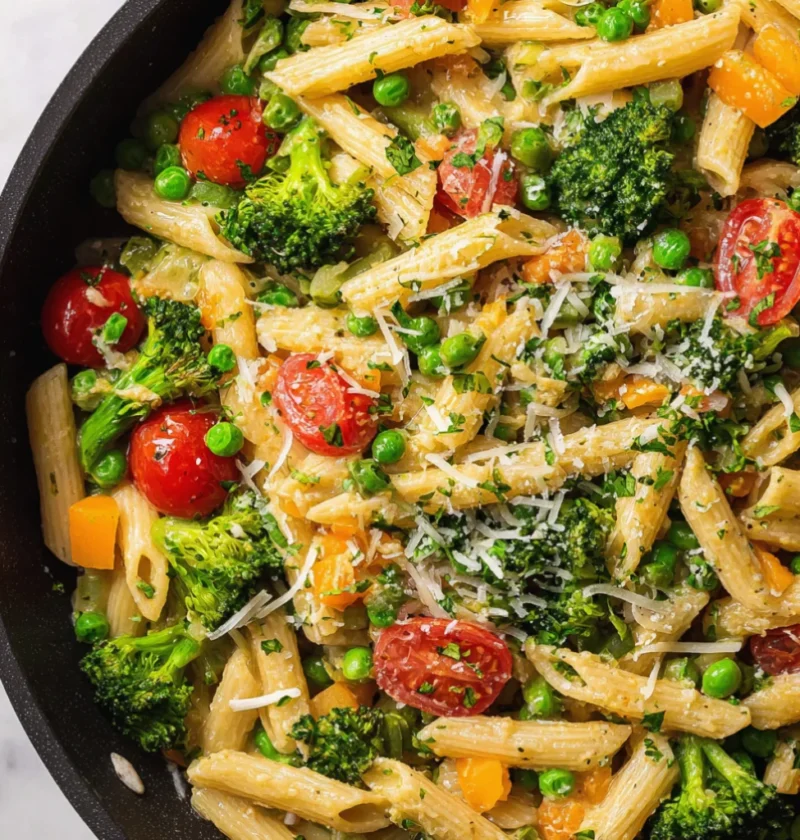
Spring is the season of renewal, and what better way to celebrate than with a collection of light and fresh spring pasta recipes? As the weather warms and seasonal vegetables burst forth, these recipes offer a delightful way to incorporate the vibrant flavors of spring into your meals. From lemon garlic pasta that sings with zest to creamy spring pesto that feels indulgent yet light, each dish is designed for easy preparation, making them perfect for quick weeknight meals. These fresh pasta dishes not only highlight the best of seasonal produce but also cater to various dietary needs, ensuring everyone can enjoy a healthy spring meal. The essence of light spring pasta recipes lies in their ability to balance flavor with freshness, making them an excellent choice for anyone looking to indulge in the tastes of the season without the heaviness of traditional pasta dishes. The combination of fresh, bright ingredients truly exemplifies the spirit of spring, inviting you to relish every bite of your meal. The use of seasonal herbs, vegetables, and citrus elevates these recipes, ensuring they are not just meals but celebrations of spring’s bounty.
Ingredients
Light Spring Pasta Recipes – Essentials
- Pasta:
- 12 ounces of your favorite pasta (spaghetti, penne, or fusilli) — choose whole grain or gluten-free options if desired, as they can enhance the nutritional profile of your meal. Whole grain pasta offers more fiber and nutrients, providing a heartier texture that pairs well with the fresh ingredients. Experiment with different shapes to find your favorite!
- Vegetables:
- 1 cup cherry tomatoes, halved — opt for heirloom varieties for a burst of flavor and color. Their sweetness and juiciness can elevate your dish, making it more delicious. The bright red, yellow, or even orange tomatoes create a stunning visual appeal.
- 1 bunch asparagus, trimmed and cut into 2-inch pieces — fresh asparagus should be bright green and firm to the touch, ensuring a crisp bite that holds up during cooking. When shopping, choose stalks that are not too thick or woody, as they will be more tender.
- 1 cup fresh peas (or frozen, thawed) — peas add a sweet flavor; if using fresh, look for pods that are plump and bright green. Their vibrant color and sweetness balance the dish perfectly, making them a wonderful addition.
- 1 clove garlic, minced — fresh garlic is key for optimal flavor; avoid pre-minced garlic for the best taste, as the fresh version releases essential oils that enhance the aroma. If you love garlic, feel free to add more for a bolder flavor!
- 1 tablespoon olive oil — use high-quality extra virgin olive oil for added richness and health benefits, as it contains antioxidants and healthy fats. The oil not only helps to cook the vegetables but also adds depth to the overall dish.
- 1 lemon (zest and juice) — for the best flavor, use organic lemons to avoid pesticide residues. The zest adds a fragrant brightness, while the juice brings a refreshing acidity. This ingredient brightens up the dish and enhances the natural flavors of the vegetables.
- Herbs and Seasoning:
- 1/4 cup fresh basil, chopped — basil should be vibrant and aromatic; consider using a mix of basil and mint for a refreshing twist that complements the spring theme. Fresh herbs are essential in capturing the essence of spring in your cooking!
- Salt and pepper, to taste — freshly cracked pepper adds a punch, while kosher salt is ideal for seasoning water and the dish; consider using sea salt for an extra layer of flavor. Be sure to taste as you go, adjusting to your preference.
- Grated Parmesan cheese, for serving (optional) — consider using a finely aged Parmesan for a richer flavor, or try Pecorino Romano for a sharper taste, which can add a delightful contrast to the dish. A sprinkle of cheese adds a touch of indulgence!
Note: For a gluten-free option, substitute traditional pasta with a gluten-free pasta variety such as quinoa or brown rice pasta. Fresh vegetables should be in season for the best flavor; visit your local farmers’ market for the freshest ingredients. You can learn more about this topic. Additionally, feel free to experiment with other seasonal vegetables such as zucchini, bell peppers, or arugula, which can also enhance the nutritional value and flavor profile of your light spring pasta recipes. The beauty of these recipes is in their flexibility, allowing you to adapt based on what’s available or in season.
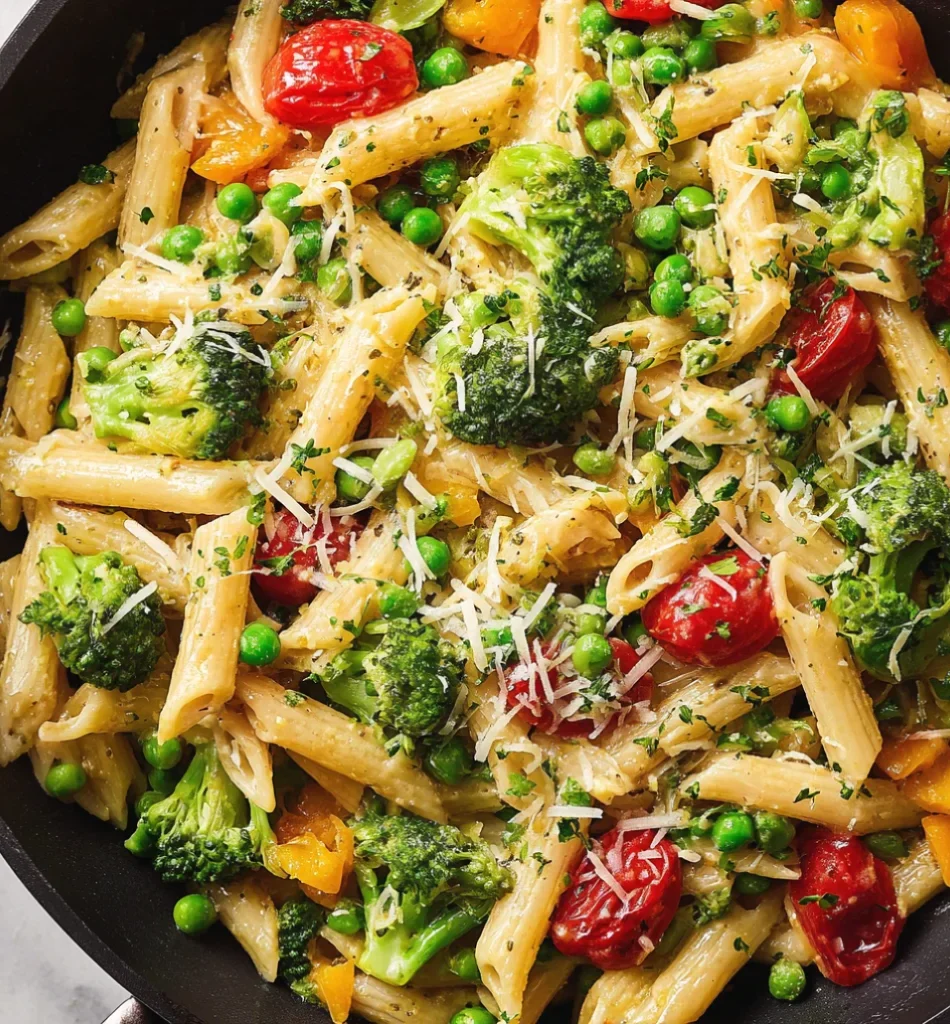
Steps / Instructions
- Cook the Pasta: In a large pot of boiling salted water, cook the pasta according to package instructions until al dente (usually about 8-10 minutes). Be sure to stir occasionally to prevent sticking, which is particularly important for longer shapes of pasta. Reserve 1 cup of pasta water and drain the rest, making sure the pasta is not overcooked as it will continue to cook slightly after being drained. Al dente pasta retains a pleasant chewiness that complements the fresh vegetables, providing a satisfying texture with each bite.
- Sauté the Vegetables: In a large skillet, heat the olive oil over medium heat. Add the minced garlic and sauté for 1 minute until fragrant, being careful not to let it brown. The aroma will fill your kitchen! Then add the asparagus and cook for 3-4 minutes until slightly tender and bright green, maintaining its crunch, which offers a delightful contrast in texture. This step is crucial as it lays the foundation for the dish’s flavor.
- Add Cherry Tomatoes and Peas: Stir in the cherry tomatoes and peas, cooking for another 2-3 minutes until the tomatoes start to soften and release their juices, creating a natural sauce base. This not only adds flavor but also enhances the color of the dish, making it visually appealing as well. You’ll notice the sauce starting to develop — it should look glossy and vibrant.
- Combine Pasta and Vegetables: Add the drained pasta to the skillet with the vegetables. Toss to combine thoroughly, ensuring the pasta is well-coated with the vegetable mixture. Gradually add reserved pasta water a little at a time until you reach your desired sauce consistency; this helps to bind the ingredients and adds a silky texture, allowing the sauce to adhere beautifully to each strand of pasta. The goal is to achieve a harmonious blend where every bite is bursting with flavor.
- Season and Finish: Squeeze the lemon juice over the pasta, add lemon zest, and stir in the fresh basil. Season with salt and pepper to taste, adjusting as needed to enhance the flavors without overpowering the dish. This final touch brightens the entire meal, creating a refreshing balance of flavors that embodies the spirit of light spring pasta recipes.
- Serve: Plate the pasta in bowls, ensuring each serving is colorful and appealing. Sprinkle with grated Parmesan cheese if desired, then serve immediately while hot to enjoy the fresh flavors at their peak! Consider garnishing with a few extra basil leaves or a lemon wedge for a lovely presentation that invites everyone to dig in.
Tips & Tricks
- Storage: Store leftovers in an airtight container in the refrigerator for up to 3 days. To maintain its freshness, reheat gently on the stove with a splash of water to moisten, ensuring the pasta doesn’t dry out. Avoid using a microwave if possible, as it can make the pasta gummy; gently warming it on the stove allows for better texture preservation.
- Make-Ahead: You can prepare the vegetables and sauce in advance. Just toss with freshly cooked pasta right before serving; this allows you to enjoy a quick meal without sacrificing taste. This is particularly useful for busy weeknights when time is limited — simply reheat the sautéed vegetables and combine them with the pasta for a meal that feels fresh and satisfying!
- Common Mistakes: Avoid overcooking the pasta; it should be al dente for the best texture, as it will continue to cook slightly even after being drained. Also, be careful not to let the garlic burn, as it will turn bitter and affect the overall flavor of your dish. Lastly, remember to taste and adjust seasonings as you go to ensure a well-balanced dish.
- Pro Technique: For added flavor, consider roasting the cherry tomatoes in the oven at 400°F (200°C) for 15-20 minutes before adding them to the pasta. This caramelizes the sugars in the tomatoes, enhancing their sweetness and depth of flavor, providing a wonderful contrast to the fresh vegetables. You can also experiment with roasting asparagus for a different flavor profile that adds complexity to your light spring pasta recipes.
Conclusion
Now that you have a delicious light spring pasta recipe at your fingertips, it’s time to bring the flavors of the season to your table. With vibrant colors and refreshing tastes, this dish is perfect for any spring gathering or a simple family dinner. Join in the celebration of seasonal ingredients and enjoy a healthy meal that’s as satisfying as it is nourishing. Bon appétit! Check out our related guide for more tips on making the most of your light spring pasta recipes.
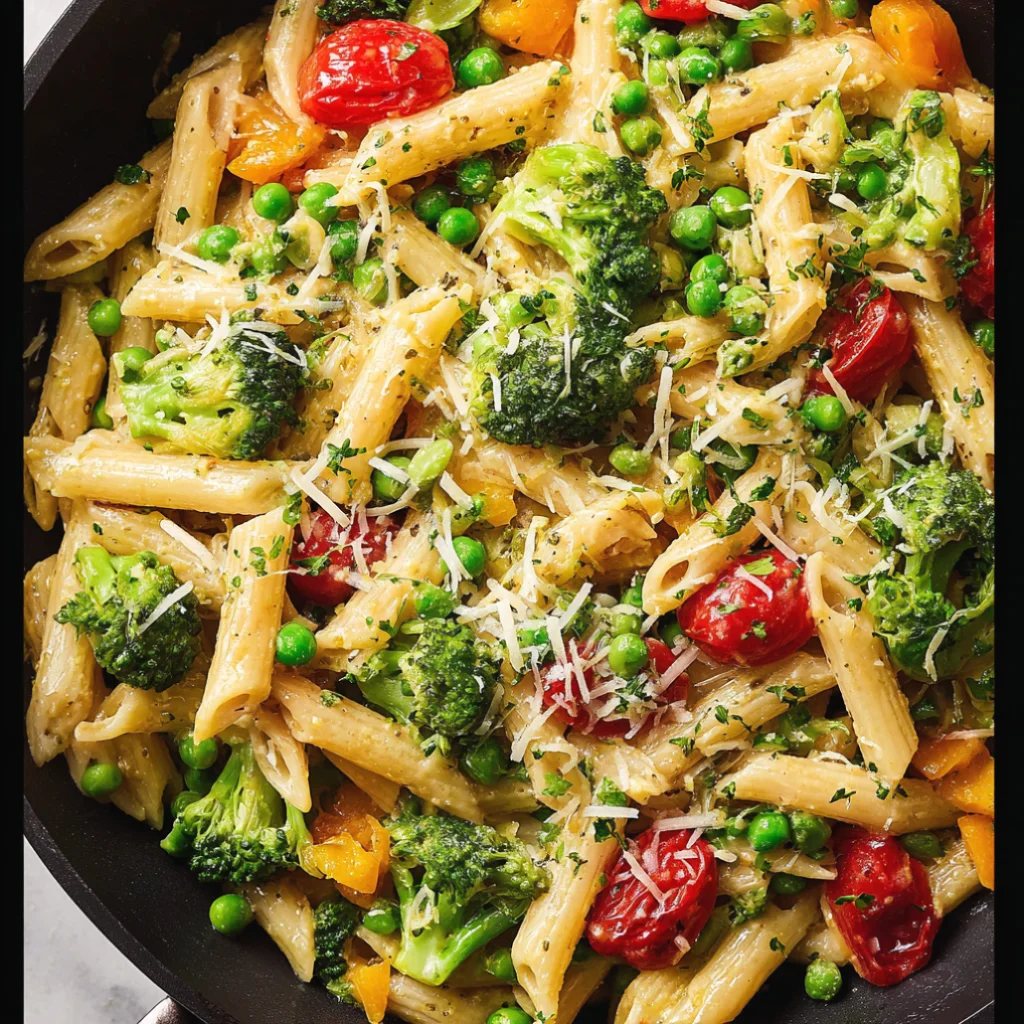
Light Spring Pasta
A delightful and fresh pasta dish celebrating the flavors of spring with seasonal vegetables.
Ingredients
- 12 ounces of your favorite pasta (spaghetti, penne, or fusilli)
- 1 cup cherry tomatoes, halved
- 1 bunch asparagus, trimmed and cut into 2-inch pieces
- 1 cup fresh peas (or frozen, thawed)
- 1 clove garlic, minced
- 1 tablespoon olive oil
- 1 lemon (zest and juice)
- 1/4 cup fresh basil, chopped
- Salt and pepper, to taste
- Grated Parmesan cheese, for serving (optional)
Directions
In a large pot of boiling salted water, cook the pasta according to package instructions until al dente (usually about 8-10 minutes). Reserve 1 cup of pasta water and drain the rest.
In a large skillet, heat the olive oil over medium heat. Add the minced garlic and sauté for 1 minute until fragrant. Then add the asparagus and cook for 3-4 minutes until slightly tender.
Stir in the cherry tomatoes and peas, cooking for another 2-3 minutes until the tomatoes start to soften.
Add the drained pasta to the skillet with the vegetables. Toss to combine, adding reserved pasta water as needed to reach desired sauce consistency.
Squeeze the lemon juice over the pasta, add lemon zest, and stir in the fresh basil. Season with salt and pepper to taste.
Plate the pasta in bowls and sprinkle with grated Parmesan cheese if desired, then serve immediately.
Recipe Reviews
- ★★★★★
Excellent recipe!
Leave a Reply
Your email address will not be published. Required fields are marked *



Excellent recipe!